If you have ever dreamed about ending a ski day with a short trip home instead of a long drive back, Dover and Mount Snow make that idea feel very real. Buying a ski retreat here is exciting, but it also comes with practical questions about property type, winter access, year-round use, and short-term rental rules. With the right plan, you can choose a home that fits how you want to use it now and what you want it to do for you long term. Let’s dive in.
Why Dover and Mount Snow Stand Out
Mount Snow gives you the kind of scale many second-home buyers want in a Vermont ski market. The resort reports 601 acres, 86 trails, 18 lifts, 83% snowmaking coverage, and average snowfall of 150 inches across four faces: Main Face, North Face, Sunbrook, and Carinthia. It also positions itself as the southernmost Vermont resort and a four-season destination.
That matters because your ownership experience is about more than winter weekends. Mount Snow also offers lodging, dining, hiking, biking, scenic chairlift rides, golf, childcare, tubing, and events. If you want a retreat that stays useful beyond ski season, Dover has the setup to support that goal.
West Dover is the commercial hub of Dover, which gives the area a practical side as well as a resort feel. You are not just buying near the mountain. You are buying into a location where recreation, services, and year-round activity all connect.
Choosing the Right Property Type
One of the biggest decisions is simple: do you want low-maintenance convenience or more privacy and space? In Dover, the housing mix helps explain why that choice shows up so often. The town counted 3,067 housing units in 2020, and single-family detached homes made up 44% of the total.
The town plan also notes that Dover has a higher share than the Windham Region of attached 1-unit dwellings and 5 to 9 unit buildings. It says these forms are commonly developed as condominiums and are often used for seasonal housing. That gives buyers a clear picture of the market shape around West Dover and Mount Snow.
Higher-density residential uses are supported in the Planned Commercial, Village, and Resort Center districts around West Dover, Mount Snow, and the Route 100 corridor. In practical terms, that often translates to more condo and townhome options closer to the resort core. Detached homes are often better suited to buyers who want more separation, more land, or a quieter retreat feel.
When a Condo May Make Sense
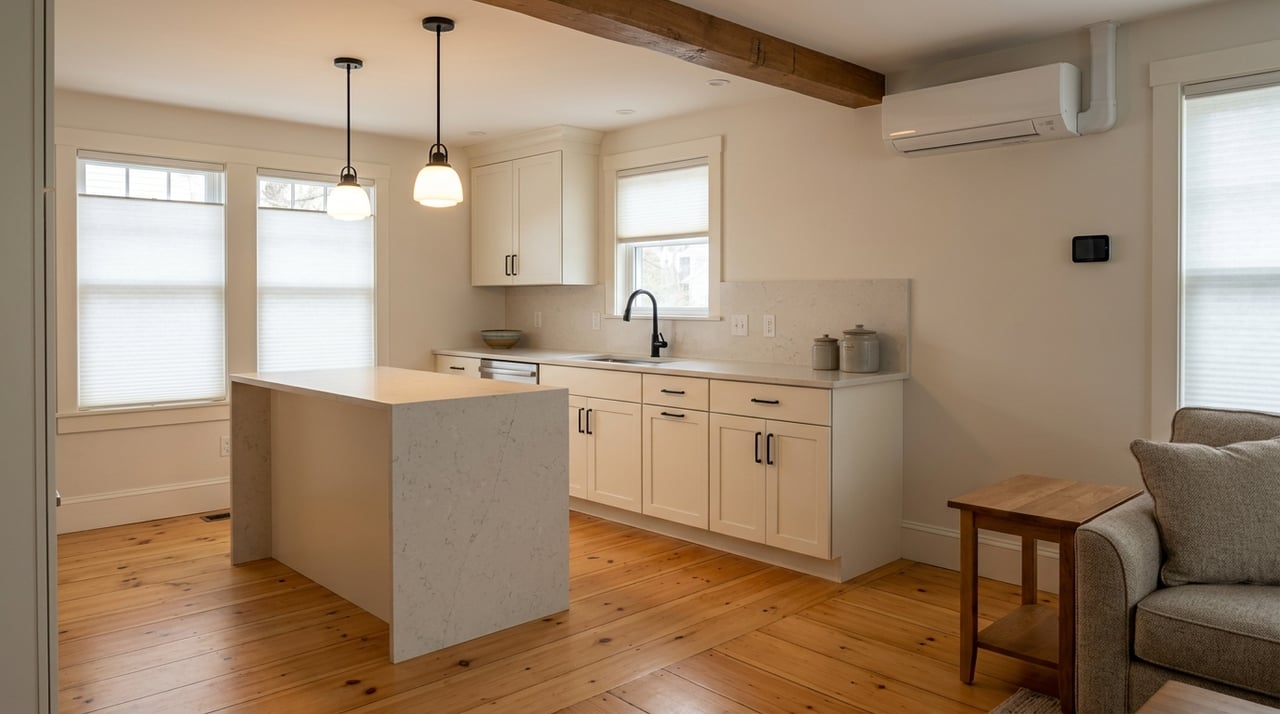
A condo or townhome can be a strong fit if you want easier upkeep and quick access to skiing and base-area activity. Mount Snow’s lodging information highlights convenient condos and a mountainside hotel, which reflects the resort-core pattern many buyers see near the mountain. If your goal is simplicity, lock-and-leave ownership can be appealing.
This type of property can also work well if you expect to use the home for frequent weekend trips. Less exterior maintenance often means less work before and after each stay. That can make spontaneous winter visits much easier.
When a Detached Home May Fit Better
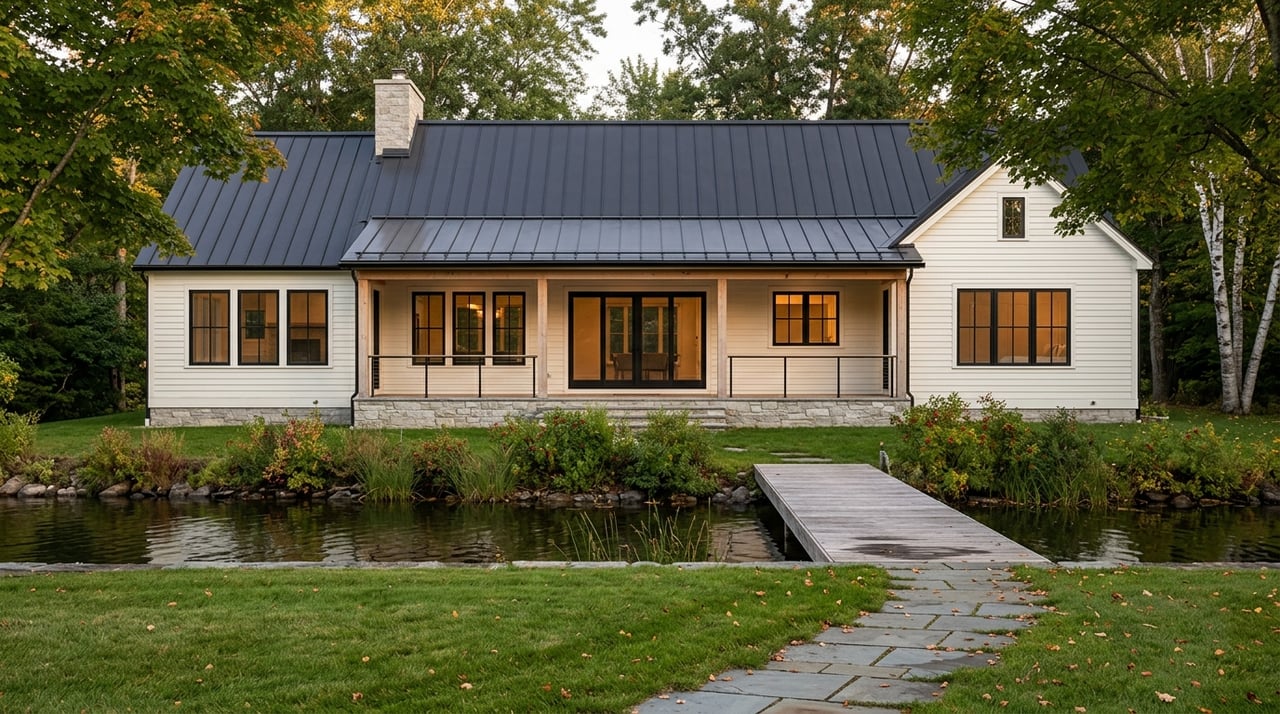
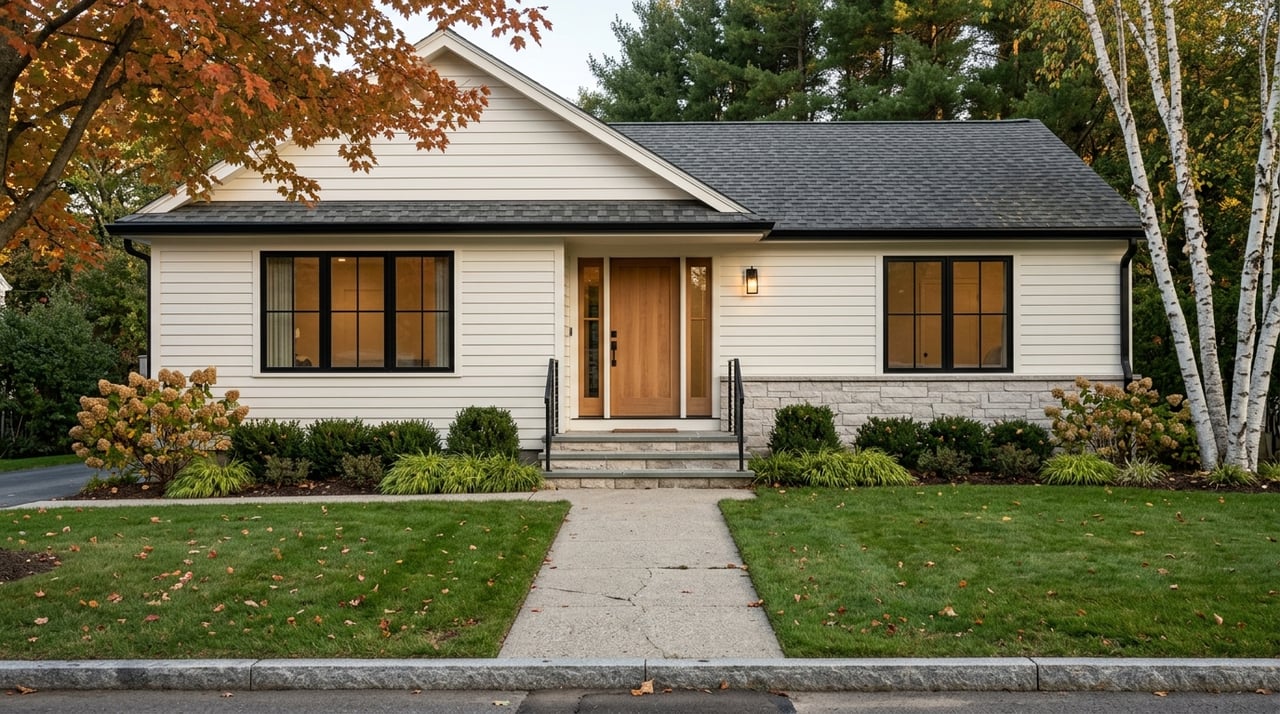
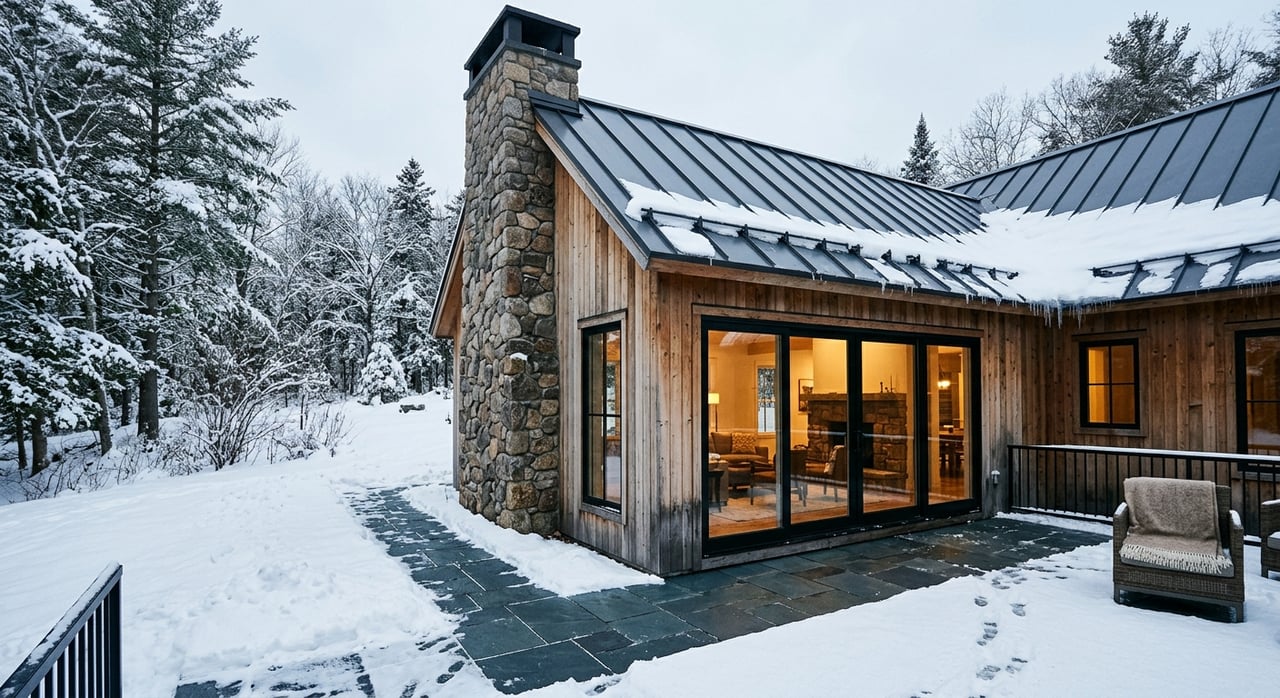
A detached home may suit you if privacy, outdoor space, or a more residential setting matters most. You may also prefer the flexibility that comes with having a stand-alone property farther from the busiest resort areas. For some buyers, that balance feels more like a true getaway.
This option can also appeal if you want room for gear storage, hosting, or future updates. Crow Real Estate Group’s construction and renewable-energy perspective can be especially valuable if you are comparing homes with renovation potential or thinking about long-term efficiency improvements.
Winter Access Matters More Than You Think
In a ski market, location is not only about distance to lifts. It is also about how traffic moves, how roads are maintained, and what your arrival and departure look like on a busy weekend. That practical side can shape your experience just as much as the home itself.
Route 100 is the primary north-south arterial through West Dover, and the town plan says it sees seasonal peaks of intense traffic. It specifically notes winter backups tied to end-of-day resort traffic. Dover Hill Road is the main east-west connector to East Dover, and the town also points to congestion and pedestrian concerns around the resort area.
If you are shopping for a ski retreat, it helps to think beyond map distance. A home that looks close on paper may feel very different depending on your route, parking setup, and timing on peak weekends. Easy access can add real value to how often and how comfortably you use the property.
Road Maintenance and Services
Dover’s highway department says its roads are kept passable during the long winter months. That is an important part of owning here, especially if you plan to use the home regularly during snow season. You want to understand not just the home, but the practical rhythm of winter travel.
The West Dover Fire Department serves residents, visitors, businesses, and remote recreation areas. For second-home owners, that added layer of local service matters. It supports the idea that ownership here is built around active seasonal use, not occasional summer-only occupancy.
Short-Term Rental Rules to Know
If you may rent the property when you are not using it, local rules need to be part of your buying decision from day one. In Dover, a short-term rental is defined as a furnished dwelling rented for fewer than 30 consecutive days and more than 14 total nights per year. The town requires registration for these properties.
Dover says the annual registration fee is $125. The town also requires an assigned point of contact who can respond within one hour, 24 hours a day, 7 days a week while the unit is rented. That requirement alone can affect how hands-on or hands-off you want your ownership plan to be.
The town also asks for bear-proof trash storage, emergency contact information, and fire-safety self-certification or inspection depending on occupancy. If you are considering occasional guest use or income potential, these are not side details. They are part of the operating reality.
State Tax and Safety Requirements
At the state level, many small short-term rentals without prepared food do not need a lodging license, but they are still subject to rental-housing fire-safety rules. Vermont also requires a 9% Meals and Rooms Tax and a 3% short-term rental impact surcharge on qualifying occupancies. Local option tax can also apply where relevant.
Dover also notes that properties rented exclusively seasonally or yearly are not treated as short-term rentals under the town ordinance. That distinction matters if you are deciding between personal use, occasional short stays, or a longer seasonal rental strategy. Before you buy, it helps to match the property with your intended use instead of trying to solve that later.
Why Four-Season Use Strengthens Value
A great ski retreat should not sit idle once the snow melts. Dover works well as a four-season base, and that can make ownership feel more worthwhile over time. It also gives you more flexibility in how you enjoy the home.
Mount Snow’s summer offerings include scenic chairlift rides, downhill mountain biking, hiking, golf, dining, childcare, and events. The golf club is open daily from May through October, while scenic lift and bike operations generally run from June through October, weather dependent. That broadens the appeal well beyond ski season.
Dover’s recreation options add even more depth. The Valley Trail is a paved, maintained path connecting Mount Snow with West Dover’s historic district and Wilmington. Horace Hill offers hiking, mountain biking, disc golf, and winter snowshoeing and cross-country or backcountry skiing.
Nearby, Harriman Reservoir adds boating, paddling, swimming, and lake-day options. The broader Deerfield Valley is also described as a year-round playground with hiking, biking, kayaking, canoeing, paddleboarding, golf, camping, and fall foliage experiences. For many buyers, this is what turns a ski condo or mountain home into a true lifestyle property.
What Smart Buyers Focus On First
When you start your search, it helps to filter homes through a few clear questions. That keeps the process grounded and can save you time. It also makes it easier to spot which properties truly match your goals.
Here are a few smart starting points:
- How close do you want to be to Mount Snow versus West Dover services?
- Do you want lower maintenance, or do you want more privacy and space?
- Will you use the property only for personal stays, or also explore rentals?
- How important is easy winter access on peak traffic days?
- Do you want a home that works just as well in summer and fall?
- Are you open to updates or efficiency improvements over time?
These questions sound simple, but they can quickly narrow the field. In a resort market, the best choice is usually the one that supports your real lifestyle, not just the one that looks good in photos.
A More Confident Way to Buy
Buying a ski retreat in Dover or near Mount Snow is part lifestyle move and part property decision. You are choosing how you want weekends, holidays, and four-season downtime to feel. At the same time, you are weighing maintenance, access, compliance, and long-term usability.
That is where local guidance matters. A thoughtful search should look at more than bedrooms and finishes. It should help you evaluate location, ownership logistics, and the kind of Vermont experience you actually want to build.
If you are exploring condos, townhomes, or detached homes in the Dover and Mount Snow area, working with a team that understands resort ownership, property condition, and long-term value can make the process much smoother. Connect with Mandolyn McIntyre Crow to start your search with local insight and a high-touch approach.
FAQs
What makes Dover, Vermont appealing for a ski retreat?
- Dover offers direct access to Mount Snow, which features 601 acres, 86 trails, 18 lifts, 83% snowmaking coverage, and average snowfall of 150 inches, plus four-season activities like hiking, biking, golf, dining, and events.
What types of homes are common near Mount Snow in Dover?
- Buyers will often see a mix of condos, townhomes, and detached homes, with higher-density seasonal housing more common around West Dover, Mount Snow, and the Route 100 corridor.
What should buyers know about winter travel in West Dover?
- Route 100 is the main north-south road and can see heavy winter traffic, including end-of-day resort backups, so access, parking, and travel timing should be part of your home search.
What are the short-term rental rules in Dover, Vermont?
- Dover requires registration for properties rented fewer than 30 consecutive days and more than 14 total nights per year, with a $125 annual fee and local compliance requirements such as a rapid-response contact and bear-proof trash storage.
Can a Mount Snow property work as a year-round home base?
- Yes. In addition to winter skiing and riding, the area offers scenic chairlift rides, biking, golf, trails, reservoir access, and other warm-weather recreation that supports four-season use.