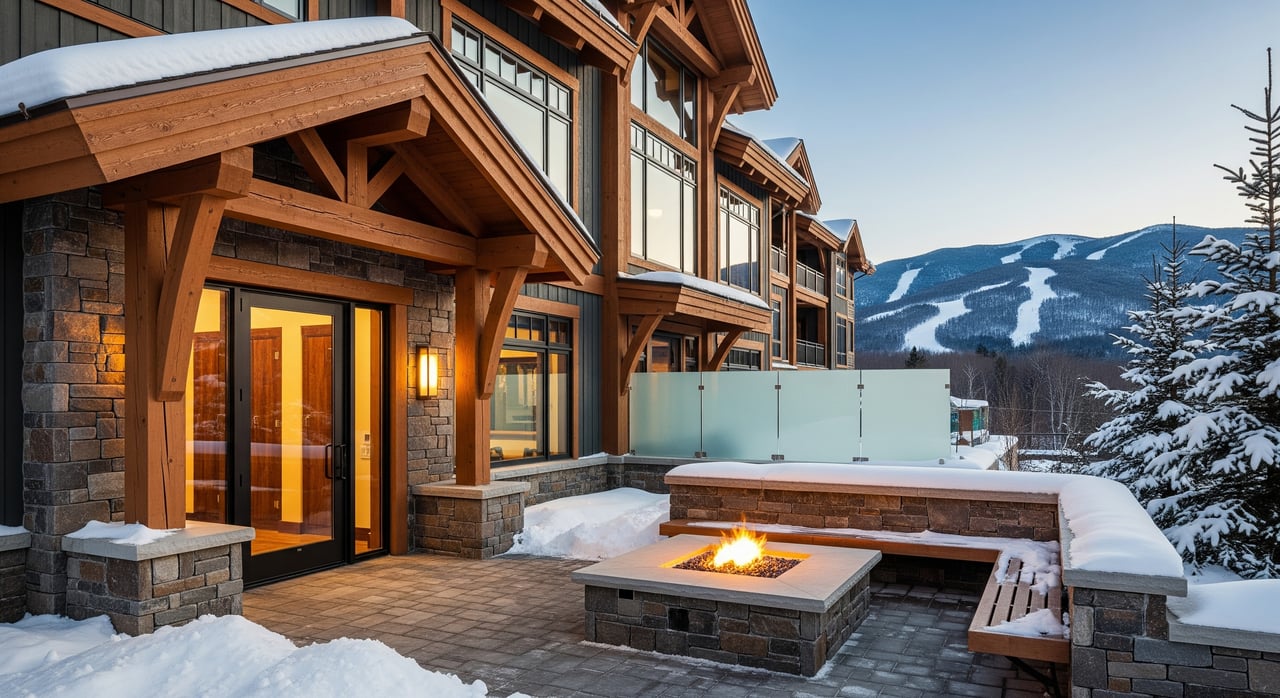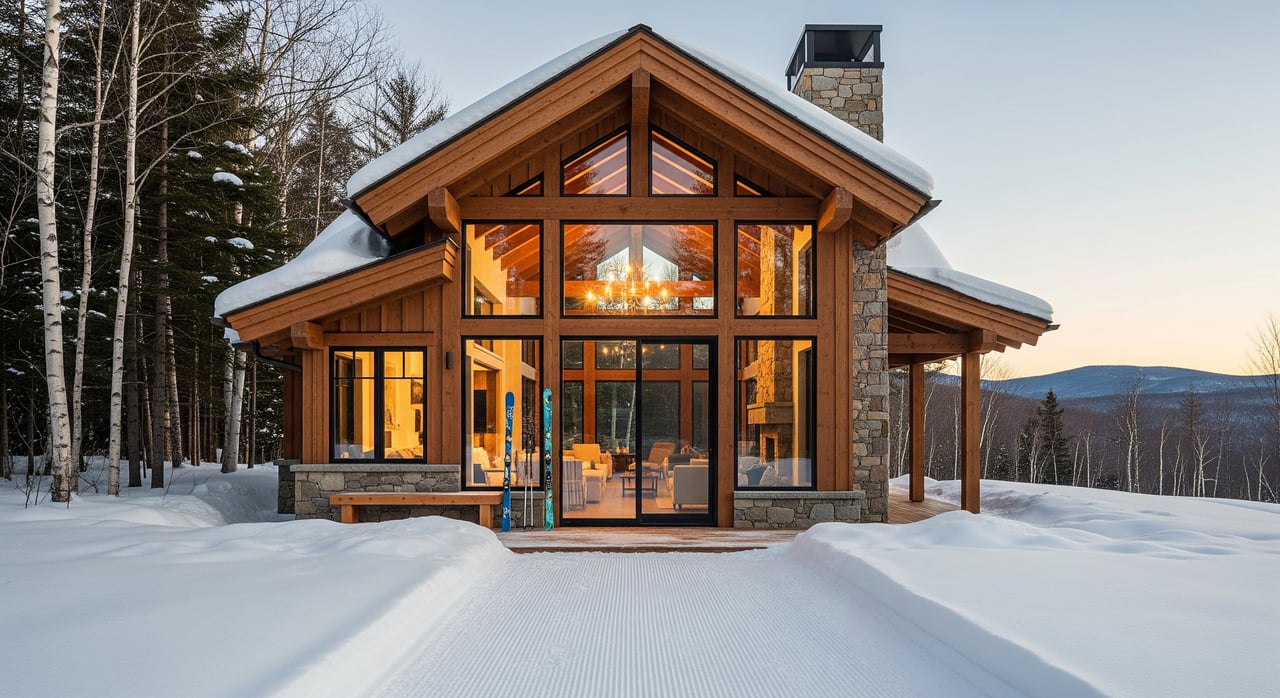
Picture clicking into your skis right at your door and gliding to the lift in minutes. That is the dream behind ski-in/ski-out living. In Killington, though, the term covers a range of access types, and the difference between true slope-side and “almost there” can change your day and your budget. If you are weighing convenience against cost, you want clarity.
In this guide, you will learn what ski-in/ski-out really means at Killington, how the mountain’s layout affects daily usability, where these properties tend to cluster, and what to verify before you tour or make an offer. You will also get a simple checklist and budgeting tips tailored to the local market. Let’s dive in.
What ski-in/ski-out means here
“Ski-in/ski-out” is a marketing phrase, not a legal standard. At Killington, access falls into clear categories. Knowing which one you are buying helps you set expectations and value.
- True slope-side: Your door or a short path meets a maintained trail or groomed connector, with continuous ski travel to lifts and back. No driving and minimal booting.
- Walk-to or short-boot: A brief, cleared walk or connector where you may take skis off or cross a walkway. Sometimes includes a quick road crossing.
- Across-the-road: You are close, but on the other side of a plowed resort road. Still convenient for many buyers, but purists would not call it ski-in/ski-out.
- Shuttle-dependent: Marketed as “resort access,” but you ride a shuttle to reach lifts. It can be a smart value, yet it is not ski-in/ski-out.
- Seasonal or conditional: Good on high-snow days or when specific trails open, but not consistent early or late season.
The key question is simple: can you reliably ski out and back on a typical winter day without a vehicle, and what conditions does that depend on?
Access factors that matter in Killington
Killington is a large, multi-peak resort with several lift pods and base areas. That layout creates many ways to be “close,” but not all routes feel the same.
Trail and lift proximity
Ask exactly which trail, connector, or groomed path touches the property. A home can sit near a lift tower yet still require a traverse or short walk to reach the groomed line. Confirm if you can ski directly to the lift you care about or if you must navigate service areas or sidewalks.
Road and bridge crossings
Many homes sit near Route 4 or resort access roads. Verify if the route requires crossing a plowed road, and whether that crossing is maintained and clearly marked in winter. A safe, short crossing can be fine for adults, but it changes the experience for families carrying gear.
Snowmaking and seasonality
Killington’s extensive snowmaking supports a long season, especially in core areas and lower-elevation connectors. Not every trail gets the same coverage. If your connector lacks snowmaking or regular grooming, early and late season access can be limited. Ask when your preferred route typically opens and how it holds up during thaws.
Terrain, grade, and exposure
A steep backyard pitch or wooded cut-through can make skiing back difficult for newer skiers or at dusk in low visibility. Think about who will use the route and how it skis when firm, soft, or tracked out.
Maintenance and HOA support
Day-to-day convenience depends on who clears snow, sands steps, and maintains paths. Shared driveways, private plow contracts, and HOA policies can make a big difference. Ask about snow removal standards, ice management, and guest arrival guidance during storms.
Shuttles and schedules
Resort and town shuttles run in high season, but schedules and stop locations can change. Properties that rely on shuttles are less independent than true slope-side units. If you plan to host guests, frequency and reliability matter.
Emergency access and utilities
Winter access for emergency vehicles, de-icing practices, and utility reliability affect livability and insurance. Ask how the road performs in freeze-thaw cycles and who is responsible for treatment.
Where these homes cluster in Killington
While exact parcels vary, most ski-in/ski-out options fall into familiar areas around the resort.
- Base-area condos and townhomes: These sit near base lodges and primary lifts. They often offer direct ski access or very short walk-to routes, plus amenities like ski storage and common spaces. They command the highest convenience premium and are popular for short-term rentals.
- Lower-mountain slope homes and townhomes: Built along lower trails or connectors, some lots have direct access while others are indirect. Winter maintenance and trail easements matter.
- Village or resort-center units: Walking distance to lifts on cleared paths rather than skiable connectors, but still very convenient for mixed groups and families.
- Across-the-road properties: Close to the action with a price advantage, though you may cross a plowed road to reach snow.
- Pico-area properties: Pico is part of the Killington network. Homes and condos here form their own cluster near Pico base and lifts. Movement between Pico and other Killington peaks depends on conditions and operations.
- Private homes on minor connectors: Smaller pockets where private roads meet less-used connectors can offer a ski experience with more variable maintenance.
Market implications:
- Base-area condos: Highest demand and premium pricing, larger HOAs and fees, and strong guest services.
- Lower-mountain homes: Balanced tradeoff between convenience and price; pay close attention to winter access agreements.
- Across-the-road: Lower entry cost with safety and convenience tradeoffs, especially for kids or larger groups.
- Shuttle-dependent and village: Lower cost, strong walkability, and less immediate ski convenience.
Buyer checklist before you tour
Use this quick list to confirm usability and value. You can ask for many of these items before you visit.
On-property access and routing
- Request a simple map, GPS track, or short video that shows how to ski out and back on a typical snow day.
- Confirm if a connector is resort-maintained and groomed during base operations.
- Ask whether the route requires crossing Route 4 or resort roads and how crossings are maintained in winter.
- Clarify where snowmaking exists along your route.
- Note any early or late season limitations.
Property and building logistics
- Look for on-site ski storage and a ground-level boot room to avoid hauling gear upstairs.
- Check for a functional mudroom, drying systems, and efficient heating.
- Confirm parking location, plowing standards, and towing rules.
- Review HOA rules for path clearing, stairs, and bridge maintenance.
- Ask about emergency access standards for the driveway and private roads.
Legal, financial, and regulatory
- Verify recorded easements for any ski paths across private land.
- Review deed restrictions and HOA rental rules, including minimum nights.
- Confirm local occupancy taxes and short-term rental registration requirements for the Killington area.
- Discuss insurance coverage needs for snow events, ice dams, and access-related incidents with a broker.
- Compare recent sales of slope-side versus near-mountain units to understand the convenience premium.
Operational considerations
- Ask about winter staffing and seasonal amenity schedules for the building.
- If renting, speak with local managers about occupancy patterns, peak holiday weeks, and typical nightly rates.
- Observe pedestrian and lift-line congestion near your access point during holidays.
Pre-offer steps
- Walk the ski route in winter. Summer visits do not reveal ice, plowed berms, or walkway conditions.
- Request recorded easements, HOA minutes that mention access, and any past inspections related to paths or bridges.
Pricing, rentals, and budgeting
Ski-in/ski-out homes and condos typically carry a premium at Killington. The size of that premium depends on how direct the access is, the product type, and proximity to primary lifts.
If you plan to rent, focus on units with proven rental histories that include shoulder seasons. Peak weeks like holidays and school breaks drive most of the revenue, while off-peak occupancy depends on events and year-round amenities.
Build a realistic 12 to 24 month budget. Include HOA fees for amenities and plowing, higher maintenance due to freeze-thaw cycles and snow loads, and insurance that reflects guest turnover and winter risks. Track local short-term rental rules and taxes, since these can change and affect net income.
When comparing properties, price the convenience. If a short walk or a quick shuttle works for your lifestyle, you may secure more space for the same budget. If door-to-snow is non-negotiable, plan for the premium and use a precise access checklist to protect resale value.
How we help in Killington
You deserve clear, local guidance that balances lifestyle and long-term value. As a Vermont-based husband-and-wife team, we combine luxury-level marketing with hands-on expertise in construction and property stewardship. For ski-area homes, we can help you:
- Pinpoint developments and parcels that meet your exact access standard, from true slope-side to high-value near-mountain.
- Verify practical routes with in-season visits, detailed questions, and documentation from sellers and associations.
- Evaluate building systems for winter performance, from mudroom layouts and drying solutions to heating and ice management.
- Review HOA rules, discuss rental feasibility with local managers, and model conservative operating budgets.
- Source curated on- and off-market opportunities across Rutland County and the Killington corridor.
If you are ready to explore ski-in/ski-out living, connect with Mandolyn McIntyre Crow for local guidance tailored to your goals.
FAQs
What does “true slope-side” mean at Killington?
- It means a direct, groomed connection from your door or a short maintained path to lift-served terrain, with reliable ski-in and ski-out on typical winter days.
How do snowmaking and grooming affect access?
- Routes with snowmaking and regular grooming open earlier, hold up better during thaws, and deliver more consistent access than natural-snow connectors.
Are Pico-area homes considered ski-in/ski-out for Killington?
- Many Pico-area properties have their own slope access near Pico lifts; movement between peaks depends on operating conditions and should be confirmed.
What should investors verify before buying a rental unit?
- Confirm HOA rental rules, local occupancy taxes and registrations, proven rental history, winter maintenance standards, and realistic peak vs. off-peak rates.
Is a summer visit enough to judge ski access?
- No. Only a winter visit reveals plowed berms, ice, walkway maintenance, and the true ease of skiing out and back.
Why do base-area condos cost more?
- They offer the highest convenience, strong rental demand, larger amenity sets, and professional maintenance, which support higher prices and HOA fees.