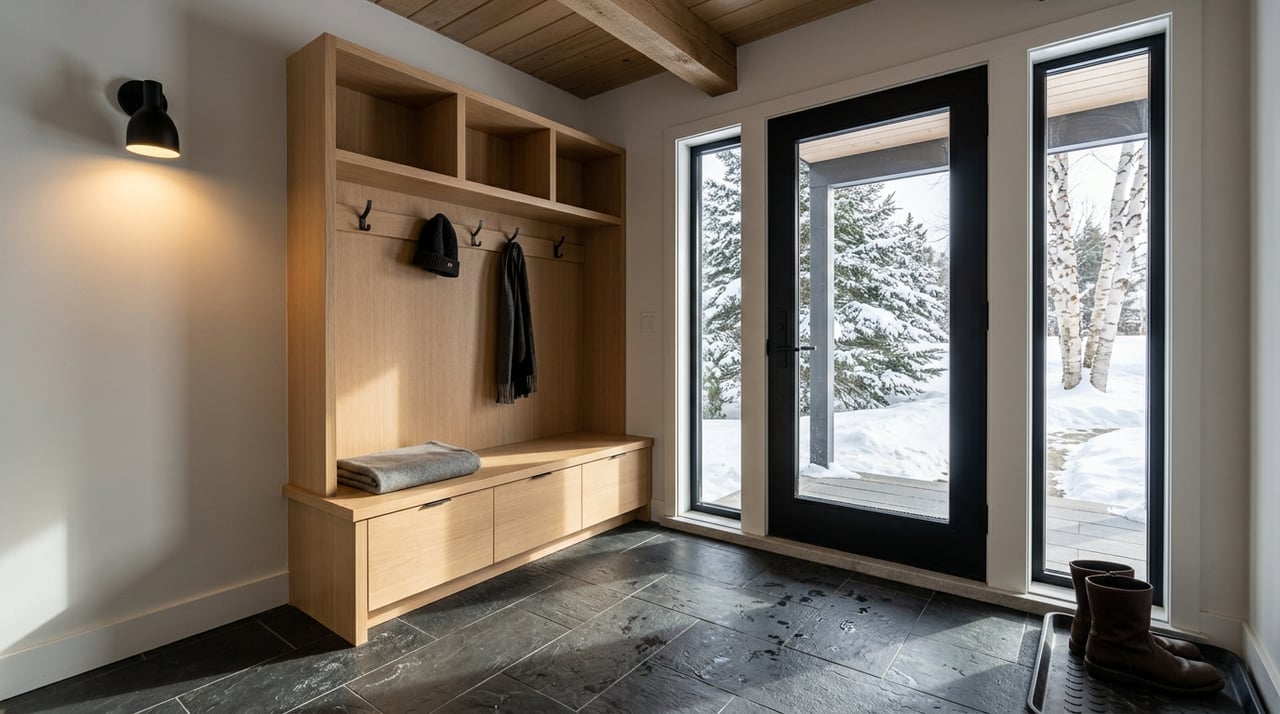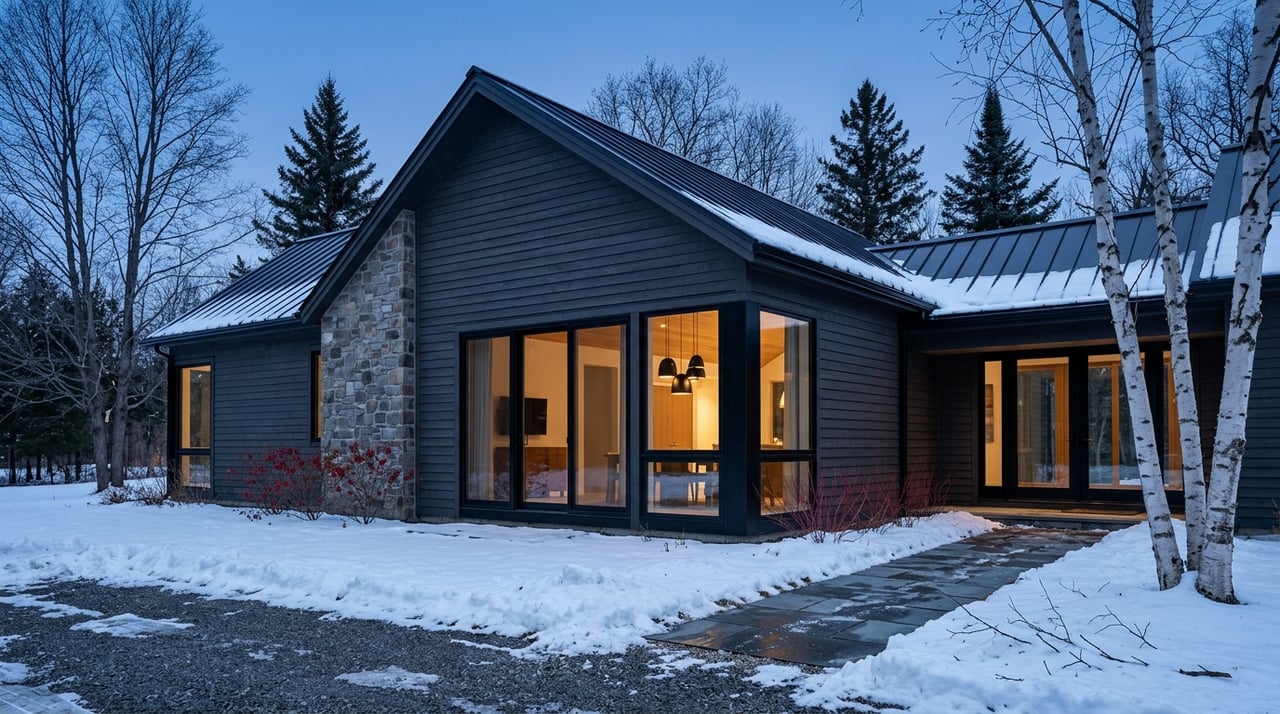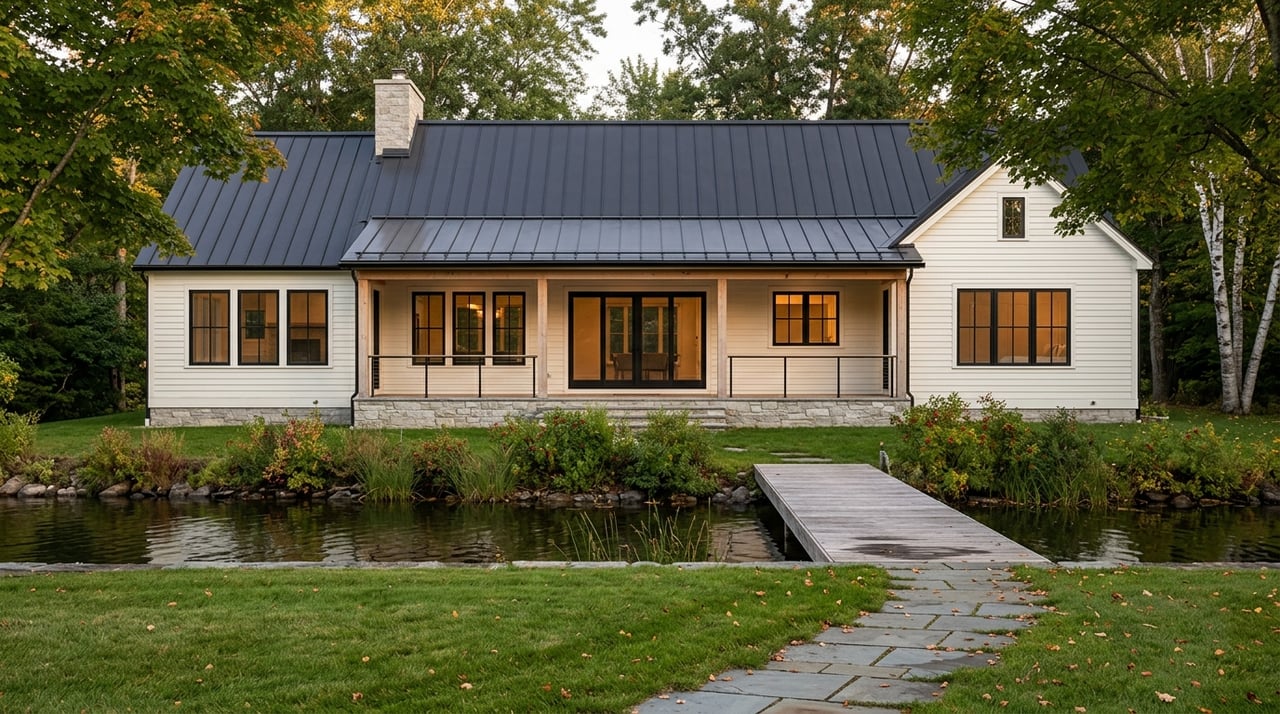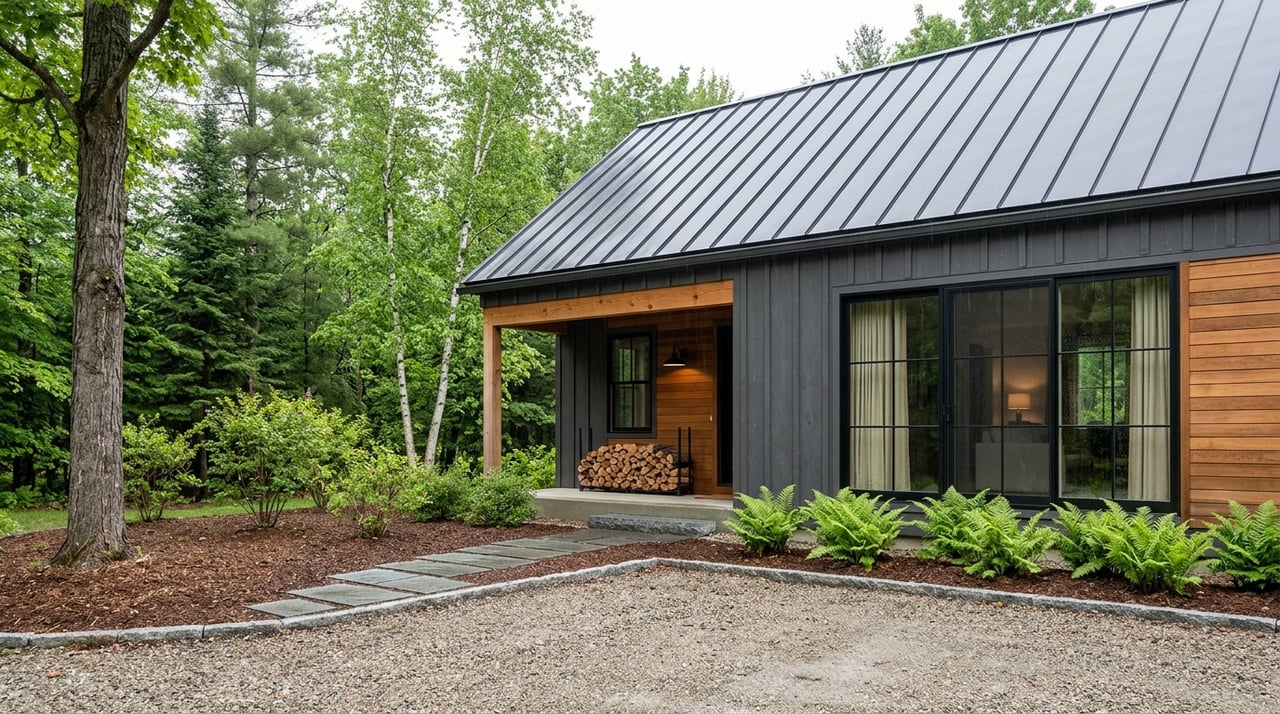
Thinking about Killington and picturing only winter weekends on the mountain? That is a common first impression, but it misses what daily life here really looks like. If you are considering a primary home, a second home, or a ski-area property that works beyond one season, it helps to understand how Killington functions year-round. Let’s take a closer look at what four-season living in Killington, Vermont, actually means.
Killington Is More Than a Ski Town
Killington is a small town with a very large seasonal presence. The town’s 2023 municipal plan reports about 1,407 year-round residents, while the area can accommodate up to 20,000 visitors. The local police department also notes that busy winter and summer weekends can bring population spikes of up to 16,000 people.
That combination shapes almost everything about life here. On a weekday, Killington can feel calm and local. On peak weekends and holidays, the energy shifts fast as visitors arrive for recreation, dining, and events.
What Year-Round Life Feels Like
If you live in Killington full time, you get used to a rhythm that changes with the calendar. The town plan identifies US Route 4 and Killington Road as the main traffic corridors, with the heaviest congestion around the Route 4, Route 100, and Killington Road intersection during peak winter recreation periods. In practical terms, that means planning errands and outings around seasonal traffic patterns.
At the same time, Killington is not simply a place that wakes up for snow and then goes quiet. The town and resort have been intentionally building a four-season identity, with continued investment in golf, mountain biking, hiking, and other outdoor recreation. Warmer months now bring a noticeable rise in activity and demand for walkable and bikeable routes.
For many buyers, that is the real appeal. You are not buying into a one-note destination. You are stepping into a resort community with distinct seasonal chapters and a more stable civic routine than many visitors expect.
Outdoor Living Beyond Ski Season
Winter may be the headline, but summer and fall are a big part of the lifestyle story. Killington Resort describes itself as a year-round destination, with winter operations generally running from early November through early June and summer and fall operations running from late May through late October.
That long operating window creates real variety if you want more than skiing or riding. The resort says its Bike Park typically runs from late May through late October, the Adventure Center from late May through mid-October, scenic K-1 gondola rides from early July through mid-October, and the golf course from mid-May through mid-October.
For everyday recreation, the options are broad enough to support repeat routines instead of one-time visits. Killington Resort lists more than 30 miles and 35 designated lift-served mountain bike trails, 15 miles of resort hiking trails, and an 18-hole golf course. If you like building your weekends around the outdoors, that kind of range matters.
Public Land Adds Another Layer
Not every outdoor day in Killington needs to revolve around resort amenities. Gifford Woods State Park, located at the base of Killington and Pico, offers a quieter option with access to the Appalachian Trail and Long Trail. It also includes camping, cabins, day-use areas, and one of Vermont’s few old-growth hardwood stands.
For buyers who want outdoor access built into daily life, this nearby public land is a major benefit. It gives you another way to enjoy the area without relying only on lift-served activities. That can be especially appealing if you want a home base that supports both active weekends and slower days outside.
Shoulder Seasons Are Still Active
One of the biggest misconceptions about mountain towns is that they shut down between major seasons. In Killington, the better way to think about spring and fall is as transition periods rather than true off-seasons. The resort calendar shifts by activity and weather, creating a gradual handoff from ski operations to biking, hiking, golf, and fall recreation.
That matters if you are evaluating how often you would actually use a property here. A home in Killington can support winter ski trips, summer biking, early fall hiking, and leaf-season weekends. The lifestyle stretches further across the year than many first-time buyers assume.
Dining and Social Life Continue Past Winter
Dining in Killington is tied to the resort economy, but it is not limited to apres-ski. Killington Resort’s dining offerings include Peak Lodge, Clubhouse Grill, Preston’s, Grand Cafe, and base-lodge food options, with service across both summer and winter settings. The town also operates Green Mountain National Golf Course, which includes a full-service restaurant and pro shop.
That adds depth to daily life for residents and second-home owners alike. You can enjoy the convenience of resort-area dining while still living within a small-town setting. The social environment tends to follow the recreation calendar, but it remains active well beyond the snow season.
Events are another sign of that year-round identity. Resort programming includes the Cooler in the Mountains concert series, bike and golf leagues, mountain running events, Brewfest, and other recurring gatherings. The town also maintains a community calendar, reinforcing that Killington’s social life extends across the seasons.
Everyday Services Still Matter
Even in a destination market, daily routines matter. Killington’s local departments include town clerk services, police, fire and rescue, parks and recreation, the Sherburne Memorial Library, a solid-waste transfer station, and the municipal golf course.
This is important context if you are comparing Killington to other resort areas. It remains a small town managing a large visitor load, with 54 miles of roads and civic responsibilities that continue year-round. That mix of resort energy and local infrastructure is a big part of what defines living here.
Access to Rutland also plays a practical role. Killington Resort notes that The Bus runs hourly from Rutland to the resort, helping connect residents and workers to a larger regional hub for errands, services, and transit connections. For full-time residents, that connection can make day-to-day life more flexible.
What Buyers Should Know About Housing
Killington’s housing market reflects its resort identity in a very direct way. According to the town’s 2023 municipal plan using 2021 ACS data, Killington had 2,794 total housing units, but only 364 were year-round occupied. The remaining 2,430 units were seasonal, short-term-rental, owner-seasonal, or vacant, and the town estimated 864 active short-term rentals as of January 2023.
A more recent Census profile still points to the same pattern, showing 2,651 housing units and only 385 households. For you as a buyer, this means inventory can look very different from a typical year-round residential market. Ownership patterns, building types, and neighborhood feel are all influenced by the large share of non-primary residences.
Common Property Types in Killington
The housing mix includes several formats that fit different goals. Town planning and zoning materials point to detached single-family homes on larger lots in some districts, condominium and townhouse dwellings in resort and planned development settings, multi-family housing in commercial districts, and accessory dwelling units on owner-occupied lots.
If you are looking for convenience and proximity to resort amenities, condos and townhouses are a major part of the market. If you want more privacy or land, detached homes may be a better fit, though supply and location can vary. The right option often depends on how you plan to use the property throughout the year.
Why Development Looks Different Here
In Killington, physical constraints shape housing just as much as zoning does. The municipal plan notes limited sewer capacity, steep slopes, dense or hardpan soils, and thin topsoil as real challenges for development. Those conditions push growth toward larger lots, clustered development, and areas supported by infrastructure.
That helps explain why Killington does not resemble a typical suburban town. You will often see condos, clustered communities, and homes tied closely to resort-serving infrastructure. For buyers, that makes local guidance especially valuable when comparing locations, access, and property use.
Where the Town May Grow
Killington is also planning for more year-round housing over time. The town’s municipal plan says it is pursuing village-center style development along Killington Road and US Route 4, supported by municipal water infrastructure intended for denser mixed-use growth.
The same plan identifies a 70-acre parcel that could potentially support roughly 250 to 300 units of affordable and workforce housing. While changes may take time, this gives buyers useful context. The long-term housing mix may gradually broaden beyond today’s heavily seasonal inventory.
Why Four-Season Living Appeals to Buyers
For some buyers, the appeal of Killington is simple: easy access to recreation in every season. For others, it is the balance between mountain lifestyle and everyday practicality. You can enjoy skiing, biking, hiking, golf, events, and dining while still being part of a town with civic services and regional access to Rutland.
That balance is what makes Killington stand out. It is not just a place to visit when the snow is good. It is a resort community where many owners and residents shape their lives around all four seasons.
If you are weighing a condo near the lifts, a single-family home with more privacy, or a property that could support both lifestyle and long-term goals, understanding this year-round pattern is key. In Killington, the best move is often the one that matches how you want to live in every month, not just one season.
If you are exploring homes in Killington or the broader Rutland County market, Mandolyn McIntyre Crow can help you evaluate the lifestyle, property types, and local market dynamics that matter most.
FAQs
What is year-round living like in Killington, Vermont?
- Year-round living in Killington blends small-town routines with major seasonal visitor swings, so weekdays can feel quiet while weekends and holidays are often much busier.
What can you do in Killington besides ski?
- Beyond skiing, Killington offers mountain biking, hiking, golf, scenic gondola rides, an adventure center, public trail access, dining, concerts, and seasonal events.
What types of homes are common in Killington?
- Common home types in Killington include ski-area condos, townhouses, detached single-family homes, some multi-family properties, and accessory dwelling unit opportunities on owner-occupied lots.
Is Killington mostly a seasonal housing market?
- Yes, Killington has a strongly seasonal housing profile, with far more total housing units than year-round occupied households and a large share of seasonal and short-term-rental properties.
Does Killington have everyday services for full-time residents?
- Yes, Killington has local civic services such as town clerk functions, police, fire and rescue, parks and recreation, a library, and other municipal resources, with Rutland serving as an important regional hub nearby.