Wondering whether now is the right time to buy a second home in Rutland County? You are not alone. For many buyers, the question is less about timing the market perfectly and more about finding the right property, in the right setting, with costs and upkeep that fit your long-term plans. The good news is that Rutland County’s current market gives you more room to think, compare, and negotiate than a fast-moving seller market. Let’s dive in.
Rutland County Market Conditions Now
If you have been waiting for a calmer buying window, Rutland County may be offering one. Realtor.com’s April 2026 market snapshot shows 376 active listings, a median listing price of $399,000, and a median of 64 days on market. It also reports that homes sold for 3.35% below asking on average in May 2026 and classifies the county as a balanced market.
Redfin’s May 2026 snapshot points in the same direction. It shows a median sale price of $338,983, 69 median days on market, and 45 sales, with a 96.3% sale-to-list ratio. While the numbers differ because they track different metrics and time periods, the bigger takeaway is clear: this does not look like a frantic bidding environment.
For second-home buyers, that breathing room matters. You may have more time to compare options, weigh trade-offs, and negotiate repairs or price. That can be especially helpful when you are evaluating ski properties, lake homes, or rural homes with more complex due diligence.
Why Rutland County Stands Out
Rutland County is not just a place where second homes exist. It is one of Vermont’s clearest second-home markets. According to VHFA’s 2025 to 2029 housing assessment, 15% of homes statewide are seasonal, occasional-use, or vacation homes, and Rutland County had an estimated 5,908 seasonal homes in 2022, or 17% of all county homes.
That same assessment found 1,629 short-term rentals in Rutland County in 2023, which was nearly 5% of the county’s housing stock. This tells you that second-home ownership is already part of the local housing landscape. In other words, you are shopping in a market with an established base of vacation and seasonal ownership rather than trying to create that demand from scratch.
That can support long-term appeal for buyers who want a personal retreat with flexibility. It does not guarantee returns or appreciation, but it does show that the second-home use case is well established here.
Submarkets Matter More Than County Averages
County-wide numbers are helpful, but second-home decisions in Rutland County are often shaped by very specific pockets of inventory. Killington and the lake areas can behave differently from the broader county market. If you are buying for lifestyle first, this is one of the most important things to understand.
Killington is the clearest example. VHFA reports that Killington had 2,359 seasonal homes, equal to 85% of its housing stock, along with 887 short-term rentals, or 32.1% of its housing stock. The report also says Killington contains more than half of the county’s short-term rentals and has the most short-term rentals in Vermont.
Realtor.com’s April 2026 city table shows Killington with 61 homes for sale, a median listing price of $425,000, and 79 days on market. That is a distinct micro-market with its own pace and buyer pool.
Lake Saint Catherine shows a different profile. The same city table lists 15 homes for sale and 132 days on market. Thin inventory like that can mean fewer choices, but it can also mean that the right property is harder to replace if you pass on it.
When Buying Now Makes Sense
For many buyers, now can make sense if you are approaching the purchase with a multi-year mindset. A second home is usually not just a short-term pricing play. It is a lifestyle purchase with ongoing carrying costs, maintenance needs, and location-specific considerations.
Buying now may be a smart move if:
- You plan to hold the property for several years
- You can comfortably carry costs even if rental income is lower than expected
- You want more negotiating room than you would get in a hotter market
- You have identified a submarket where inventory is limited
- You are prepared to do careful property-level due diligence
In a balanced market, hesitation can sometimes cost more than action if you are focused on a thin submarket. If the right lakefront home, ski condo, or mountain property appears, waiting for a perfect future moment may mean missing an asset that is hard to duplicate.
When Waiting May Be Reasonable
Buying now is not automatically the right answer for everyone. Waiting can be reasonable if your plan depends on a very narrow set of conditions or if the numbers only work under best-case assumptions.
You may want to wait if:
- Your budget is stretched by current financing costs
- You need a very specific property type that rarely comes up
- You are counting on strong rental income to make ownership work
- You have not yet researched taxes, insurance, flood exposure, or water and septic issues
- You are still deciding between ski, lake, and rural options
Freddie Mac reported the 30-year fixed mortgage rate at 6.47% on June 18, 2026. Even if you do not use a conventional 30-year structure for your purchase, current borrowing costs are a reminder to stress-test your monthly payment and annual carrying costs carefully.
Carrying Costs Deserve Extra Attention
In Vermont, second homes are treated differently from primary residences. The state’s homestead instructions say the homestead declaration applies to a principal residence, while nonhomestead property includes a camp, second home, or summer cottage. That means your second-home decision should be based on total ownership cost, not just the purchase price.
Before you buy, it helps to model costs such as:
- Mortgage payment, if financing applies
- Property taxes as nonhomestead property
- Insurance, including possible flood considerations
- Utilities and seasonal service costs
- Maintenance, snow removal, lawn care, or shoreline upkeep
- Repairs and reserves for older systems
This is especially important in amenity-driven markets, where the emotional pull of the property can be strong. A home that feels perfect in February or July still needs to make sense in the quieter months too.
Ski Homes Need a Four-Season Lens
If you are looking near Killington, it helps to think beyond peak winter weekends. Killington markets itself as a year-round destination, with more than 200 days of lift-served skiing and riding plus summer biking and golf. It also notes that ski operations are weather dependent.
That matters because your buying decision should be based on more than snowfall headlines. You want to think about year-round usability, off-season appeal, access, and how much value the property offers when it is not peak ski season.
A ski-area second home can be a strong fit if you want recurring personal use throughout the year. It may be less appealing if your plan only works during one narrow season.
Lake Homes Need Strong Due Diligence
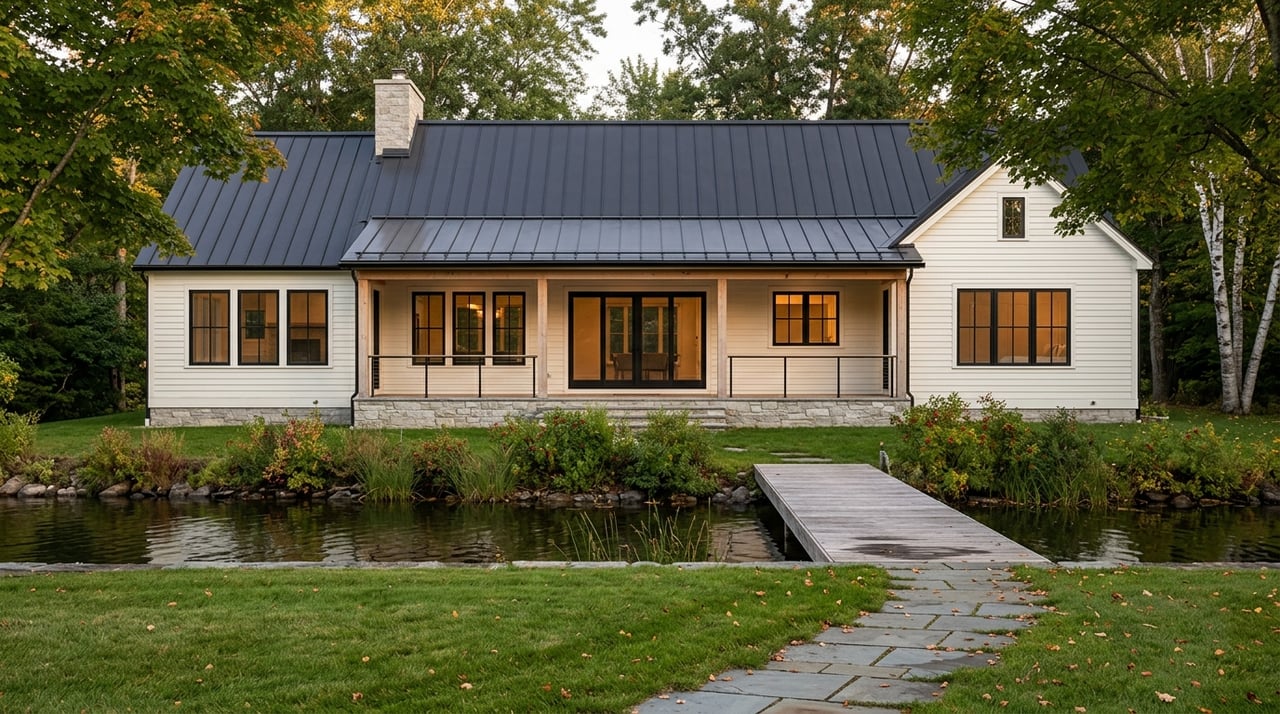
Lakefront property can be incredibly rewarding, but it comes with a different ownership profile. A Vermont DEC watershed plan says Lake Bomoseen is 2,360 acres and the largest lake entirely in Vermont. The same plan notes that waterfront property there is intensively developed with both seasonal homes and year-round residences.
It also flags recurring issues such as shoreline revegetation, driveway erosion, runoff, and bacteria and phosphorus loading. For you as a buyer, that is a practical reminder that lake ownership often brings added maintenance, environmental stewardship, and closer attention to site conditions.
If you are shopping for a lake property, look closely at:
- Shoreline condition and vegetation
- Drainage and runoff patterns
- Driveway erosion or stormwater issues
- Dock, shoreline, and access features
- Seasonal versus year-round usability
A beautiful waterfront setting is only part of the picture. The right lake home is one you can maintain comfortably and enjoy for years.
Wells, Septic, and Water Systems Matter
Many second-home buyers are used to municipal utilities. In parts of Rutland County, that may not be the reality. The Vermont Department of Health says about four in 10 Vermont households rely on private wells or springs, and owners are responsible for testing and maintenance.
The department also says newly drilled or deepened groundwater sources must be tested before use. Vermont law further requires permits before constructing, replacing, or modifying potable water or wastewater systems, or before changing a building in a way that increases design flow.
For buyers, this means water and wastewater due diligence should happen early, not late. If a home has a private well, spring, or septic system, you will want clear information on testing, permits, age, condition, and any improvement needs.
Flood Maps Should Be Reviewed Early
Flood exposure is another issue that should be checked before you fall in love with a lakefront or low-lying property. FEMA’s Flood Map Service Center is the official public source for flood hazard information, and FEMA says its maps are continually updated. FEMA also explains that NFIP requirements apply to Special Flood Hazard Areas shown on Flood Insurance Rate Maps.
In simple terms, you should verify the flood zone instead of assuming a property is low risk because it looks elevated or because nearby homes seem unaffected. This can affect insurance, monthly costs, and your comfort level with the property over time.
A Simple Decision Framework
If you are asking whether now is the right time to buy a second home in Rutland County, the answer often comes down to fit more than timing. The current market appears balanced, with more room to negotiate than in a highly competitive cycle. At the same time, some second-home submarkets are thin enough that the right property may not come around often.
A smart way to evaluate your next step is to ask:
- Do I plan to hold this home long enough to ride out short-term market swings?
- Can I comfortably carry the full cost of ownership?
- Have I reviewed location-specific issues like flood zones, shoreline conditions, access, well water, and septic?
- Am I buying in a broad market, or in a tight submarket where options are limited?
- Does this property fit how I actually plan to use it?
If those answers are solid, now may be a very reasonable time to buy. If they are still unclear, taking more time may be the better move.
Rutland County can offer a rare mix of lifestyle appeal, established second-home demand, and more balanced market conditions. The key is not trying to predict every market move. It is buying the right property, with the right plan, for the way you want to live and use the home.
If you want help comparing ski, lake, and rural second-home options in Rutland County, connect with Mandolyn McIntyre Crow for thoughtful local guidance, private opportunities, and a high-touch buying experience.
FAQs
Is Rutland County a buyer’s market for second homes?
- Rutland County is currently described as a balanced market, with active inventory, longer days on market, and average sales below asking in recent 2026 snapshots.
Are Killington second homes different from the broader Rutland County market?
- Yes. Killington is a highly concentrated seasonal-home and short-term-rental market, so inventory, pricing, and demand can behave differently from county-wide averages.
What should you check before buying a lake home in Rutland County?
- You should review flood-zone status, shoreline condition, drainage and runoff, erosion concerns, water source details, wastewater permits, and ongoing maintenance needs.
Do Vermont second homes have different tax treatment than primary residences?
- Yes. Vermont treats second homes as nonhomestead property rather than principal residence homesteads, so carrying costs should be evaluated carefully.
Why do wells and septic systems matter for Rutland County second homes?
- Many Vermont homes rely on private water sources, and water or wastewater systems may require testing, maintenance, and permitting, which can affect both cost and usability.