Wish your Woodstock home felt warmer in February and cheaper to run all year? You are not alone. In our part of Vermont, winter is long, heating is your biggest energy cost, and every upgrade needs to earn its keep. If you are weighing heat pumps, solar, or better insulation, you want clear answers on comfort, savings, and resale value. This guide gives you practical numbers, local context, and an easy plan so you can decide what fits your home and budget. Let’s dive in.
Why energy upgrades matter in Woodstock
Winters in Woodstock and across Windsor County are cold and long, so heating dominates your energy bills while cooling needs are small. Many homes still rely on oil, propane, wood, or electric resistance heat. That mix, combined with Vermont electricity rates that are often at or above the U.S. average, makes the right upgrade plan critical to your bottom line.
Because our climate puts a big load on your heating system, proper system sizing and a tight building envelope matter as much as the equipment you pick. Insulation and air sealing help your home hold heat, which lets a modern heat pump work smarter and lets a solar array offset more of your actual use.
Heat pumps that work in Vermont winters
What they are and your options
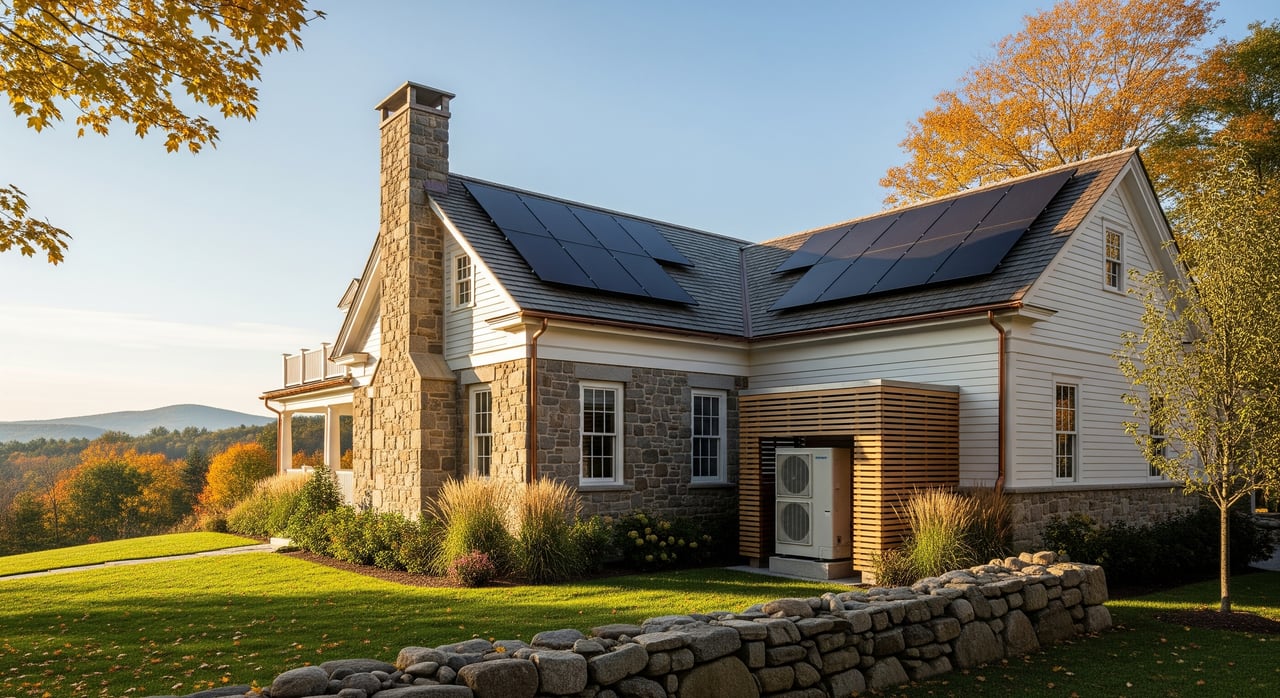
Air-source heat pumps move heat between the outdoors and your home. Modern cold-climate models are built to keep working in low temperatures common here. You can choose ducted systems, ductless mini-splits, or hybrid setups that keep your existing boiler as backup.
Cold-weather performance you can count on
Today’s cold-climate heat pumps can deliver useful heat in New England winters. Efficiency drops as the temperature falls, but they still perform well when sized and installed correctly. If you are replacing oil, propane, or electric resistance, you often see large cost reductions per unit of heat. If you already have high-efficiency gas or biomass, savings depend more on your electric rate.
Costs, savings, and payback
- Typical installed cost for a whole-house cold-climate system: about $8,000 to $25,000, depending on the number of indoor units, ductwork needs, and complexity.
- Replacing oil or propane: about 30% to 60% annual heating cost reduction is common, with payback around 5 to 15 years.
- Replacing electric resistance heat: about 50% to 75% lower heating bills, with payback around 3 to 10 years.
Your exact numbers depend on your current fuel, home size, and how tight your building envelope is.
Comfort, sizing, and distribution
The right design is key. A good installer will size equipment for your home’s heat load, plan ductwork or indoor head placement for even temperatures, and consider a multi-zone or hybrid setup for very cold snaps. This avoids cold rooms, short-cycling, and wasted energy.
Lifespan and upkeep
Heat pumps typically last 15 to 20 years. Maintenance is straightforward: clean or change filters, keep the outdoor unit clear of snow and debris, and have refrigerant and system performance checked as needed.
Solar for Woodstock roofs
Production in northern latitudes
Vermont does not get as much sun as the South, but a well-sited solar array still produces meaningful electricity. Because retail electricity is valuable here, each kilowatt-hour your system generates can have a strong long-term impact on your bill.
Costs and payback
- Residential rooftop systems in the Northeast often cost about $2.50 to $4.50 per watt before incentives. A typical 6 to 10 kW system might run about $15,000 to $40,000 before credits.
- Many Vermont systems land around 6 to 15 years simple payback before incentives, depending on price, roof quality, shading, and how much of your production you use on-site.
Over time, solar provides predictable output while retail rates tend to rise. Many homeowners value that long-term hedge.
Roof and utility considerations
Your roof’s condition, orientation, pitch, and shading all affect output and sizing. Utility rules for net metering, export credits, and time-of-use rates influence economics and cashflow. In much of Vermont, Green Mountain Power is the local utility; others serve certain areas. Always confirm current interconnection and crediting rules before you finalize a design.
Solar plus heat pumps
Pairing solar with a heat pump is a classic high-value combination. Solar offsets a portion of your electric use for heating, which can stabilize costs and reduce exposure to swings in oil and propane prices.
Lifespan and maintenance
Most solar modules carry 25+ year production warranties with gradual performance degradation. Inverters typically need replacement after about 10 to 15 years. Cleaning is minimal in our climate; snow slides off many arrays as panels warm in the sun.
Insulation and air sealing first
Why the envelope comes first
Insulation and air sealing lower your home’s heat loss, which makes every other upgrade work better. A tighter home holds warmth, reduces drafts, and allows you to size a smaller heat pump. It can also reduce the size of the solar array you need to offset your electricity use.
Common Woodstock measures
- Attic air sealing and insulation top-up
- Basement or crawlspace insulation and rim-joist sealing
- Sealing penetrations that leak warm air
- Select window upgrades where frames or sashes are weak
- Adding heat-recovery ventilation if airtightness improves significantly
Costs and payback
Small projects may cost a few hundred to a few thousand dollars. Larger envelope work can range about $5,000 to $30,000+ depending on scope. Payback for air sealing and attic insulation is often about 2 to 10+ years, with immediate comfort gains.
The right sequence for best results
A simple plan that works
- Start with an energy assessment and targeted insulation and air sealing.
- Add a cold-climate heat pump sized to your improved home.
- Consider rooftop solar to offset your electric use, especially if heating is now electric.
This order maximizes comfort and often reduces your upfront equipment costs because you can install smaller systems.
Hybrid and staged approaches
You do not have to do everything at once. Many homeowners keep an existing boiler as backup during extreme cold while they transition to a heat pump. You can insulate and air seal this year, install a primary heat pump next year, and add solar when roof or budget timing is right.
Integrated planning pays off
When installers model envelope upgrades, heat pump performance, and solar production together, the result is a system that fits your home and your lifestyle. The payoff is better comfort, lower bills, and a more compelling story when you sell.
Incentives and programs for Vermonters
Federal tax credits
The Residential Clean Energy Credit currently offers a 30% federal tax credit for qualifying residential solar systems, subject to IRS rules. There are also federal credits for certain heat pumps and energy efficiency improvements. Always confirm current eligibility, caps, and documentation requirements with official guidance.
Efficiency Vermont and weatherization support
Efficiency Vermont is the statewide resource for technical guidance, home energy assessments, contractor lists, and incentives for heat pumps and weatherization. Income-qualified homeowners can explore the Vermont Weatherization Assistance Program and related offerings for no-cost or low-cost upgrades.
Utility programs and net metering
Local utilities, including Green Mountain Power, offer programs that may include heat pump incentives, time-of-use rates, and solar net metering. Compensation rules for exported solar and credit rollovers vary by utility and can materially affect payback. Check current offerings before you commit to a design.
Financing options
PACE (where available), state-backed energy loans, and on-bill programs can improve cashflow for upgrades. Many homeowners also use home equity or refinance options. Efficiency Vermont and reputable installers can point you to current financing resources.
Resale value and buyer appeal in Woodstock
What buyers notice
In Vermont’s climate, buyers respond to even temperatures, lower expected heating costs, and the bonus of summer cooling from heat pumps. The combination of solar and a heat pump also reduces exposure to oil and propane price swings, which many value.
How to capture value at sale
Energy upgrades can improve resale price and reduce time on market, but results vary by home and how you present the improvements. Document everything: invoices, equipment specs, warranties, modeled savings, and before-and-after utility bills. A simple energy summary helps buyers and appraisers see the benefit clearly.
Listing strategy that works
Make the savings and comfort tangible. Call out the specifics, such as “sealed attic and insulated basement, 3-zone cold-climate heat pump, and 8 kW rooftop solar.” Note any transferable warranties and whether a fuel backup system remains. If you have recent winter bills that show lower use, include them as a value signal.
Quick homeowner checklist
- Schedule a home energy assessment with blower-door testing and infrared imaging.
- Gather last year’s fuel and electric bills to establish your baseline.
- Evaluate your roof: age, orientation, shading, and structural condition.
- Get multiple bids for heat pumps and solar with modeled performance, including COP, HSPF/HSPF2, inverter details, and system layout.
- Ask about utility net metering, time-of-use rates, and interconnection timelines.
- Confirm needed permits and any HOA or historic-district requirements.
- Review incentives, tax credits, and financing options before you sign.
When you want a knowledgeable local guide
Energy upgrades touch comfort, budget, and resale value. If you want an agent who can speak both the language of listings and the nuts and bolts of renewable energy, you are in the right place. Our team pairs premium marketing with hands-on guidance about insulation, heat pumps, and solar so your home performs and sells better when the time comes.
Have questions about your Woodstock property or plans? Let’s talk about the smartest sequence, realistic costs, and how to showcase the value when you sell. Connect with Mandolyn McIntyre Crow for local, client-first advice.
FAQs
Do heat pumps work in Woodstock’s cold winters?
- Yes. Modern cold-climate air-source heat pumps provide effective heat in Vermont conditions when correctly sized, installed, and paired with a sensible backup strategy for extreme cold.
How much can I save switching from oil or propane to a heat pump?
- Many homeowners see about 30% to 60% lower annual heating costs, with typical payback around 5 to 15 years depending on fuel prices, electric rates, and your home’s envelope.
Will solar still pay off on a north-facing or shaded roof?
- Output depends on orientation and shading, so a shaded or north-facing roof may lengthen payback; a site evaluation can identify alternatives like array placement or system sizing to improve results.
Should I insulate before installing a heat pump?
- Yes. Air sealing and insulation reduce heat loss, improve comfort, and often allow a smaller, less expensive heat pump to meet your needs.
What is the typical cost and lifespan of solar panels?
- A residential system often runs about $15,000 to $40,000 before incentives for 6 to 10 kW, with modules warrantied for 25+ years and inverters typically replaced after about 10 to 15 years.
How do incentives and net metering affect payback?
- Federal tax credits, state program incentives, and your utility’s net-metering rules all improve economics; confirm current details because program terms and compensation levels can change.