Torn between two classic Vermont towns for your next home base? If you’re weighing Manchester Center and Woodstock, you’re not alone. Both offer rich New England charm, easy access to the outdoors, and a welcoming small-town pace. In this guide, you’ll get a clear, side-by-side read on lifestyle, seasonal rhythms, and what the housing stock typically looks like so you can choose with confidence. Let’s dive in.
Town feel and community character
Both towns have strong identities, but the day-to-day feel is different.
- Manchester Center: A regional commercial hub with outlet shopping, galleries, inns, and services. It has a noticeable weekend and short-stay crowd, which keeps dining and retail lively. You’ll find a mix of year-round residents and second-home owners.
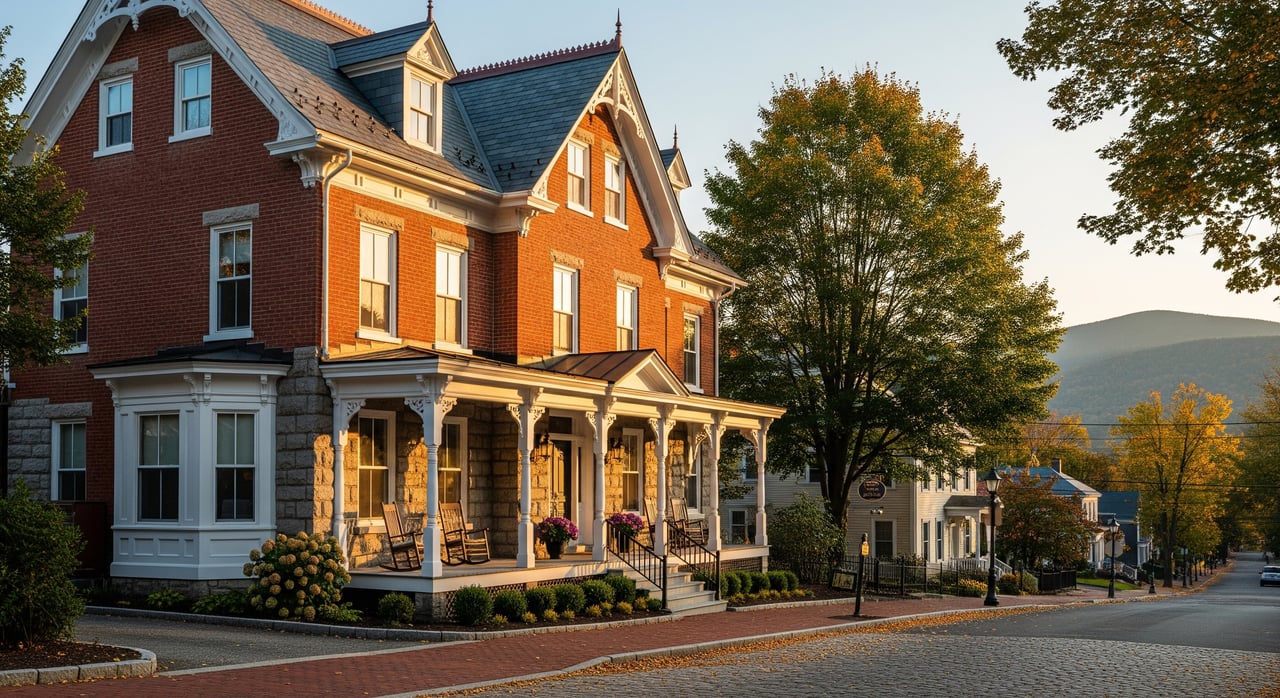
- Woodstock: A classic village built around a green with historic architecture and civic institutions. It’s known for a strong year-round community identity and a steady cultural calendar. Families and second-home buyers often choose it for the traditional village experience.
Expect both towns to draw higher-income second-home interest compared with many rural Vermont areas. Inventory in village cores, especially in Woodstock, can turn over more slowly than in more commercial areas.
Dining and culture
Manchester dining and arts
You’ll see a broad range of restaurants, cafés, and visitor-friendly options that reflect steady tourist traffic. The area’s arts scene includes regional galleries and venues tied to southern Vermont’s creative community. Seasonal events and craft fairs are part of the rhythm, and the variety of shops makes it easy to run errands and grab last-minute provisions for a weekend.
Woodstock dining and culture
Woodstock leans into farm-to-table, village restaurants, and agritourism traditions. Cultural anchors include a national historical park, a working farm and museum, and year-round galleries and performances. The village layout supports relaxed walks to dinner, casual morning coffee, and community events on or near the green.
Evenings and nightlife
Neither town is a late-night destination. Expect cozy inns, pubs, culinary events, and occasional live music rather than clubs. If your perfect night is a great meal followed by a quiet stroll, both towns deliver.
Outdoor access by season
Winter: skiing and snow sports
- Manchester Center: Convenient drives to Bromley and Stratton, plus other southern Vermont resorts within reach. You’ll also find cross-country trails in the broader region.
- Woodstock: Easy access to a smaller local hill and to larger regional mountains like Killington and Okemo. Drive times vary by exact location and road conditions.
If you’re focused on a specific resort, map your typical routes and winter driving tolerance before you decide.
Spring and summer: trails and water
- Manchester: Trails on local peaks and in nearby forests offer a mix of family-friendly walks and more challenging hikes. The broader region includes trout streams and rivers for paddling when flows allow.
- Woodstock: Scenic river walks, trails within a national historical park, and quick access to the Green Mountains make it easy to get outside. The Ottauquechee River and nearby recreation areas offer paddling and swimming options.
Both towns support road and gravel biking. Managed mountain biking networks are regionally distributed, so check trail systems near your preferred base.
Seasonal rhythms
- Fall: Peak foliage brings the highest visitor volumes. Expect busy weekends, full inns, and limited parking in village centers.
- Winter: Ski season drives weekend traffic, while weekdays can feel quieter. Plan for snow management, heating costs, and plow schedules.
- Spring: Mud season reduces tourism and some businesses may run limited hours.
- Summer: Markets, outdoor concerts, and water activities return with steady weekend visitors.
If you love lively peak seasons, both towns will suit you. If you want quieter weekdays and a strong local calendar, Woodstock’s year-round civic life may appeal more.
Real estate snapshot
Common property types by budget
- Under $500k: Smaller condos, village apartments, compact cottages, or fixer properties. These are more common in the wider county markets than village cores.
- $500k–$1M: Solid 2–4 bedroom homes, renovated historic houses on modest lots, and comfortable second-home options.
- $1M–$2M: Larger homes, well-positioned village properties, and homes with acreage or notable views.
- $2M+: High-value estates, historic properties, significant land holdings, or turnkey luxury homes closer to ski areas.
These bands are directional. Always consult current MLS data for active inventory and recent sales.
Inventory differences to expect
- Manchester Center: A broader mix that may include condos and visitor-oriented properties, which can work well for lock-and-leave second homes.
- Woodstock: Tighter village-core inventory with historic homes and preservation context. If you want a classic village setting, expect more competition and a more selective search.
Financing, insurance, and upkeep
- Second-home mortgages can have different downpayment and qualifying guidelines than primary homes. Confirm terms with your lender early.
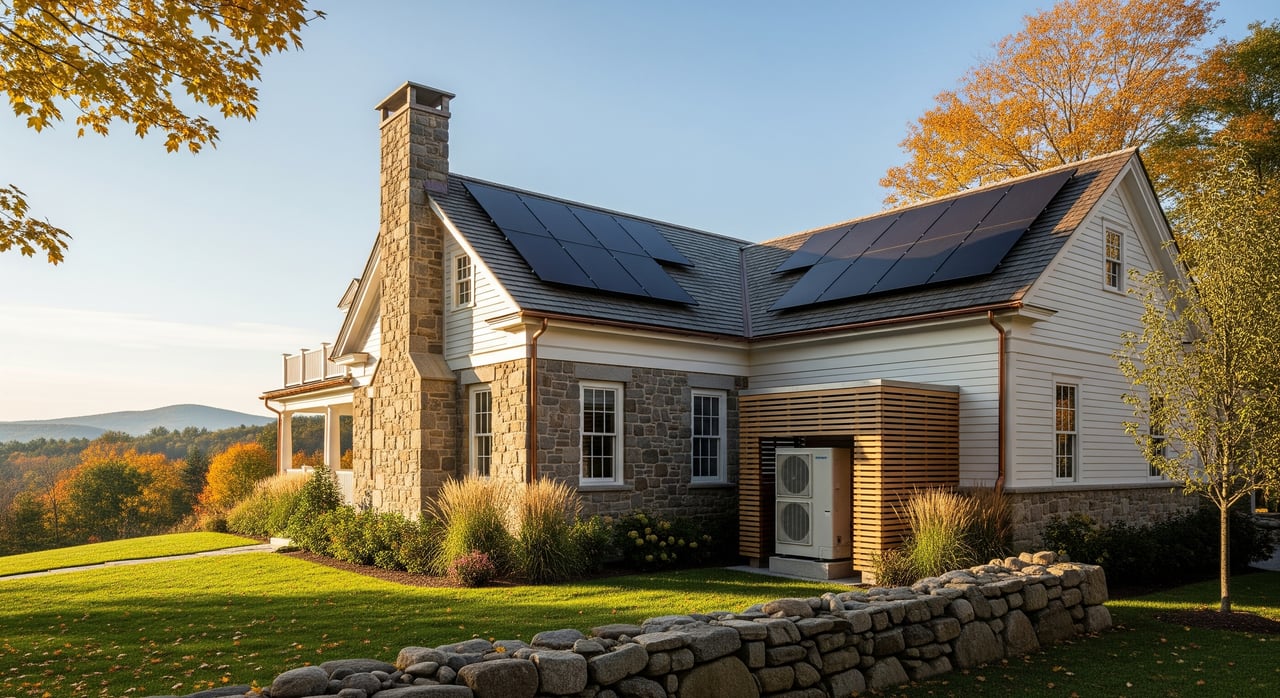
- Winterization, septic and well maintenance, and chimney/roof readiness are important line items in both markets. Properties near water or with high replacement costs may carry higher premiums.
- If you’re considering river-adjacent parcels, review FEMA flood maps and local constraints. Flood insurance may be appropriate.
Practical ownership factors
Schools
Both towns have local schools within their respective supervisory unions or districts. If proximity to a village school matters to you, Woodstock’s layout often appeals. Review enrollment, transportation, and programs directly with district offices.
Healthcare and emergency services
Rural Vermont access varies, so confirm drive times to urgent care and regional hospitals from any specific address. EMS response times and seasonal road conditions are worth noting if health access is a priority.
Remote work and commuting
Confirm broadband providers and speeds at the exact property. Service can vary within rural areas. If you commute, map your routes in all seasons and note maintenance practices on private roads or hill sections.
Taxes, utilities, and STR rules
Property tax rates, assessments, and school taxes differ by town. Get current figures from municipal offices. Vermont collects rooms and meals tax, and towns can require short-term rental registration and zoning compliance. Review local ordinances and confirm collection and filing responsibilities before you plan any hosting.
How to choose your best fit
Choose Manchester Center if you want
- Easy access to shopping, services, and a variety of dining options.
- A visitor-friendly base with potential lock-and-leave condos or smaller homes.
- Convenient drives to Bromley, Stratton, and other southern Vermont recreation.
Choose Woodstock if you want
- A classic New England village with a strong year-round civic and cultural identity.
- Historic architecture and a walkable village green lifestyle.
- Trail and river access with a steady cultural calendar and limited village-core inventory.
A simple three-step shortlist
- Define your primary use. Weekend escape, year-round home, or a part-time second home with occasional rentals. Your use case affects location, maintenance, and financing.
- Map your routines. Favorite ski areas, hiking spots, dining, and healthcare access. Drive each route at least once, if possible.
- Align property type and budget. Decide whether a condo, renovated village home, or acreage property fits your maintenance appetite and price band.
Work with a local guide
When you’re buying in Vermont, local context matters as much as the house. Zoning, septic and well systems, winter maintenance, broadband, and short-term rental rules can all change your ownership experience. You deserve clear answers, not guesswork.
Our team pairs high-touch service with practical expertise in construction and energy systems so you can buy with confidence. If you want discreet off-market access, luxury-caliber presentation, and grounded guidance on renovation or efficiency, we’re here to help. Connect with Mandolyn McIntyre Crow to talk through your goals and start your search.
FAQs
What’s the main lifestyle difference between Manchester and Woodstock?
- Manchester feels more commercial with broader shopping and dining, while Woodstock centers on a classic village green with strong year-round civic and cultural institutions.
Which town is better for quick ski access?
- Both offer good access to multiple resorts. Manchester is convenient to Bromley and Stratton, while Woodstock is well positioned for a smaller local hill and larger mountains like Killington and Okemo.
Is one town more seasonal than the other?
- Both see peak fall and winter traffic. Woodstock often reads as more year-round due to its civic institutions and active local organizations, while Manchester can feel busier in peak visitor months.
Where will I find more condos or lock-and-leave options?
- Manchester Center generally offers a broader mix that can include condos and visitor-oriented properties, which can suit second-home buyers seeking easier maintenance.
How competitive is village-core housing in Woodstock?
- Village inventory is limited and often in high demand due to historic character and preservation context. Expect more selective searches and quicker decisions when the right home appears.
What should I verify before buying near a river?
- Review FEMA flood maps, confirm local zoning and conservation constraints, and get insurance guidance. Flood zones, waterfront rights, and easements can affect use and cost.
Can I run a short-term rental in either town?
- Vermont collects rooms and meals tax, and towns can require STR registration and zoning compliance. Check each town’s current rules and confirm filing responsibilities before you host.
What are key upkeep considerations for Vermont homes?
- Plan for winterization, snow removal, septic and well maintenance, chimney and roof readiness, and possible higher premiums for water-adjacent or high-value properties.