If you are looking for a small multi-family investment in Rutland, VT, the opportunity is real, but so is the need for careful planning. This is not the kind of market where you can rely on aggressive rent growth or light due diligence and hope for the best. If you understand the local housing stock, rental demand, and property-condition risks, you can spot solid long-term potential. Let’s dive in.
Why Rutland draws small multi-family buyers
Rutland City serves as the urban hub for the broader Rutland region, and that matters if you are evaluating rental demand. The city has 15,807 residents, 7,749 housing units, and a 44.5% rental rate, which points to an established renter base rather than a market driven mainly by seasonal occupancy.
The local housing supply is also tight. The 2025 Vermont Housing Needs Assessment says the Rutland Regional area needs 711 year-round homes to normalize vacancy and house the homeless, while housing stock growth from 2010 to 2020 was less than 0.1% per year. That combination suggests that well-located, well-managed rental housing can remain relevant in the market.
At the same time, this is an income-sensitive rental environment. Median gross rent is $995, and median household income is $57,675, so your numbers need to work within modest rent levels. In other words, Rutland may offer opportunity, but disciplined underwriting matters.
What small multi-family looks like in Rutland
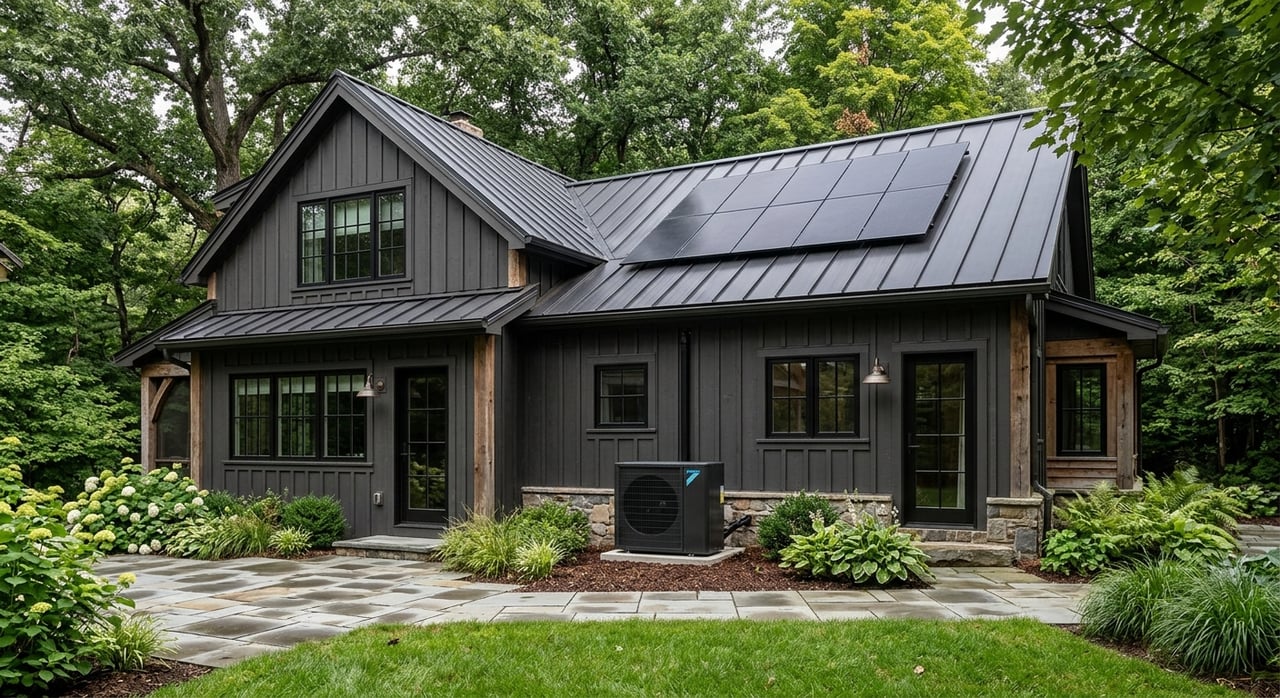
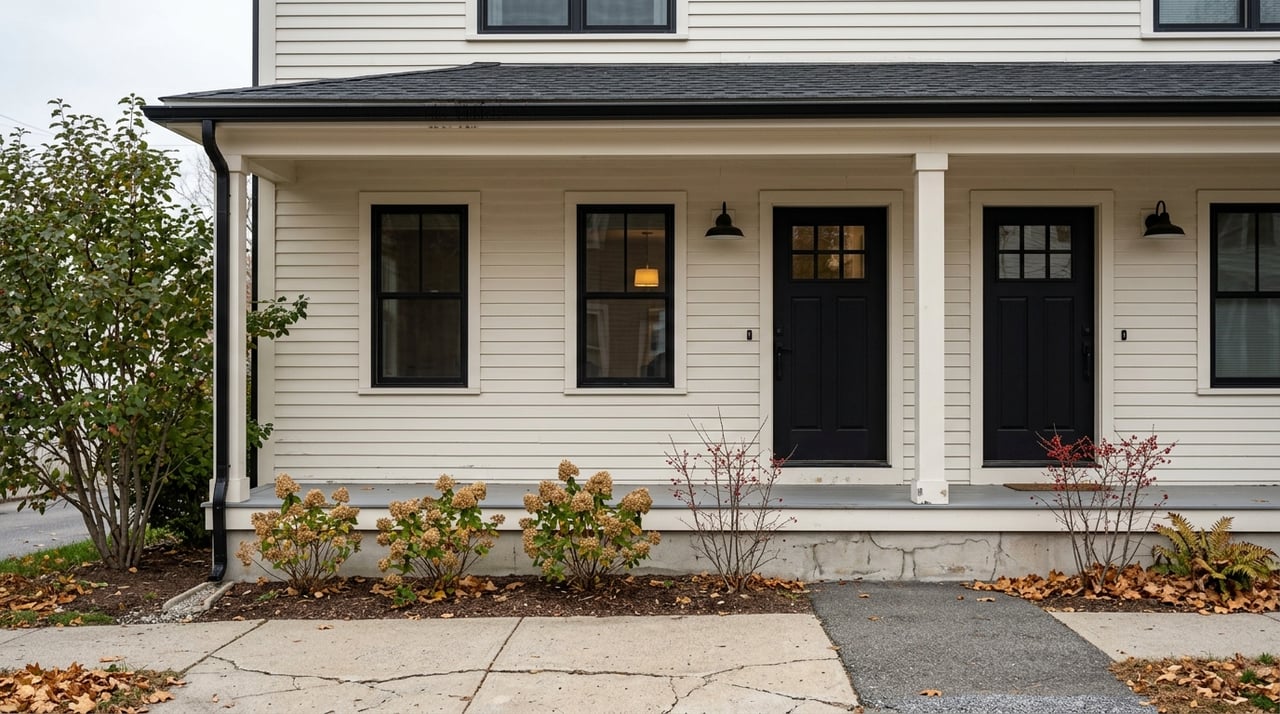
In Rutland, small multi-family often means duplexes, triplexes, fourplexes, or older homes that have been converted into multiple units. A prior city master plan noted that many rental units were in one- to four-unit structures, which supports the idea that smaller residential investment properties make up an important part of the local inventory.
That can be appealing if you want a property that feels more manageable than a large apartment building. It can also create value-add potential, especially if you are open to improving older spaces over time rather than expecting a fully updated asset from day one.
Rutland’s older housing stock is a major part of the story. The average year built is 1941, so many properties come with character, but they may also come with aging systems, deferred maintenance, or regulatory requirements tied to older construction.
Zoning can shape your options
Before you get too attached to any property, zoning should be one of your first checkpoints. Rutland’s land development regulations allow single-unit, two-unit, and multi-unit dwellings up to four units in the Single-Family Residential district by administrative review.
Multi-unit dwellings are also allowed in MR-1, MR-2, several gateway business districts, the Courthouse district, and the Campus Development District. Some areas, including Downtown, Courthouse, Main Street Park, and Gateway Business districts, are also subject to design-control review for exterior development.
For you as a buyer, that means the property’s district can affect both current use and future plans. If you are thinking about unit changes, exterior improvements, or repositioning an older building, it is smart to confirm the review path early.
Why rental demand looks steady, not speculative
One of the most important things to understand about Rutland is that it does not read like a resort-heavy, short-term-demand city. The city has only 121 seasonal units, or about 1.5% of the total housing stock, which supports the view that the market is driven more by year-round households than by second-home or vacation patterns.
That can be a positive sign if your goal is stable occupancy with long-term renters. It suggests you are generally serving local residents and workers rather than chasing a more volatile seasonal model.
Still, steady demand does not automatically mean high cash flow. Because local rents are modest, your investment performance may depend more on buying well, controlling renovation costs, and managing ongoing maintenance than on rapid rent increases.
Older properties can offer upside
If you are renovation-minded, Rutland may be especially interesting. The city’s hazard mitigation planning points to future growth coming largely from infill, renovation of existing housing stock, and upper-floor apartment conversions.
That supports a practical investment thesis for the city. Instead of assuming new large-scale supply will reshape the market quickly, it suggests a meaningful share of opportunity may come from improving what already exists.
This fits well with small multi-family properties in older neighborhoods or near downtown areas. If you can identify a building with sound fundamentals and a realistic improvement plan, there may be room to add value through updates, better layout efficiency, or deferred maintenance corrections.
Compliance costs need to be in your budget
Rutland’s older inventory can create opportunity, but compliance is not optional. Vermont assumes lead-based paint is present in all pre-1978 housing, and rental owners must complete annual Inspection, Repair and Cleaning practices.
If work on pre-1978 rental housing disturbs more than 1 square foot per interior room or exterior side, a Lead-Safe RRPM firm or license is required. In practical terms, that means many rehab plans for older small multi-family buildings should include lead-safe work protocols and the related costs from the beginning.
This is one of the most important areas where buyers can underestimate the true scope of a project. A property that looks like a simple cosmetic update on paper may require a more structured and more expensive renovation process once lead-safe rules are considered.
Certificate of Occupancy rules matter
Rutland also has an operating detail that investors should know before closing. The city requires a Certificate of Occupancy inspection for rental properties any time tenants change, and also when a property is sold, purchased, refinanced, or completed under a building permit.
That requirement can affect your acquisition timeline and your renovation plan. If you are counting on fast turnover, immediate occupancy, or a quick refinance after improvements, you should build in time for inspection scheduling and any corrective work that comes from the process.
This is not necessarily a deal breaker. It is simply part of understanding how the local rental process works so you can plan with fewer surprises.
Property condition risks to watch closely
In a city with older buildings, condition always matters, but in Rutland some issues deserve extra attention. The hazard mitigation plan notes flooding risk along Otter Creek, East Creek, Moon, Mussey, and Tenney Brooks.
It also notes the city has a combined sewer system with overflow points on East Creek and Otter Creek. For you, that makes basement moisture, drainage, sewer-lateral condition, and flood-map review especially important during due diligence.
These concerns are especially relevant for older converted homes and multi-unit buildings with below-grade mechanicals or storage areas. A building with solid rent history can still become expensive if water management, sewer issues, or foundation concerns have been overlooked.
How to underwrite conservatively in Rutland
In some markets, buyers can justify a deal based on future rent growth alone. Rutland is better approached with a steadier mindset.
Because median gross rent is $995 and the market appears price-sensitive, it helps to base your analysis on current local conditions instead of best-case assumptions. If you are evaluating a duplex, triplex, or fourplex, conservative rent projections and a realistic repair budget can protect you from overpaying.
A few smart underwriting habits include:
- Use local rent levels as your baseline, not aspirational post-renovation numbers unless you have clear support for them.
- Budget for lead-safe work on pre-1978 rentals.
- Expect inspection-related timing and corrective items when a Certificate of Occupancy is required.
- Review major systems closely, especially roof, foundation, drainage, sewer, and basement conditions.
- Check flood exposure and site drainage before you commit.
Where value-add buyers may find promise
For buyers who like renovation and repositioning, older properties in designated downtown or village center areas may offer another layer of opportunity. Rutland Regional Planning Commission materials note that these designations can open the door to grants, tax credits, and other incentives.
That will not apply to every property, and buyers should verify the specifics for any address they are considering. Still, it is an important local detail if you are comparing a straight hold property with one that may benefit from a more ambitious rehab strategy.
This is also where local guidance becomes especially valuable. A property’s location, review path, building condition, and improvement goals all interact, and those details can shape whether a project feels straightforward or far more complex than it first appears.
What a strong buying strategy looks like
If you are shopping for a small multi-family investment in Rutland, the best opportunities often come from patience and precision. A good property here may not be the flashiest one. It may be the one with stable layout, solid bones, realistic rent potential, and manageable compliance demands.
You will usually be better served by focusing on long-term durability than by chasing quick upside. In Rutland, the opportunity is often found in careful acquisition, incremental improvement, and informed ownership.
That is especially true if you want a property that can perform over time in a market shaped by older housing stock, steady rental demand, and practical operating requirements. When you buy with a full picture of those factors, you put yourself in a stronger position from day one.
If you are considering a duplex, triplex, fourplex, or another value-add property in Rutland, working with a local team that understands both market dynamics and building realities can help you evaluate opportunities with more confidence. For guidance on Rutland small multi-family opportunities and local property insight, connect with Mandolyn McIntyre Crow.
FAQs
What types of small multi-family properties are common in Rutland, VT?
- In Rutland, small multi-family properties often include duplexes, triplexes, fourplexes, and older homes that have been converted into multiple rental units.
What makes Rutland, VT appealing for small multi-family investing?
- Rutland has an established renter base, a 44.5% rental rate, limited housing growth, and a documented need for more year-round housing, which can support steady demand for well-managed rental property.
What should buyers know about rental inspections in Rutland, VT?
- Rutland requires a Certificate of Occupancy inspection for rental properties when tenants change and also when a property is sold, purchased, refinanced, or completed under a building permit.
What renovation issues matter most for older Rutland multi-family properties?
- Because much of Rutland’s housing stock is older, buyers should pay close attention to lead-safe compliance, roof and foundation condition, drainage, sewer issues, basement moisture, and flood-related risks.
How should investors analyze rent potential for Rutland, VT multi-family properties?
- Buyers should underwrite conservatively using local rent levels and modest income conditions, rather than assuming large rent jumps without meaningful capital improvements.